

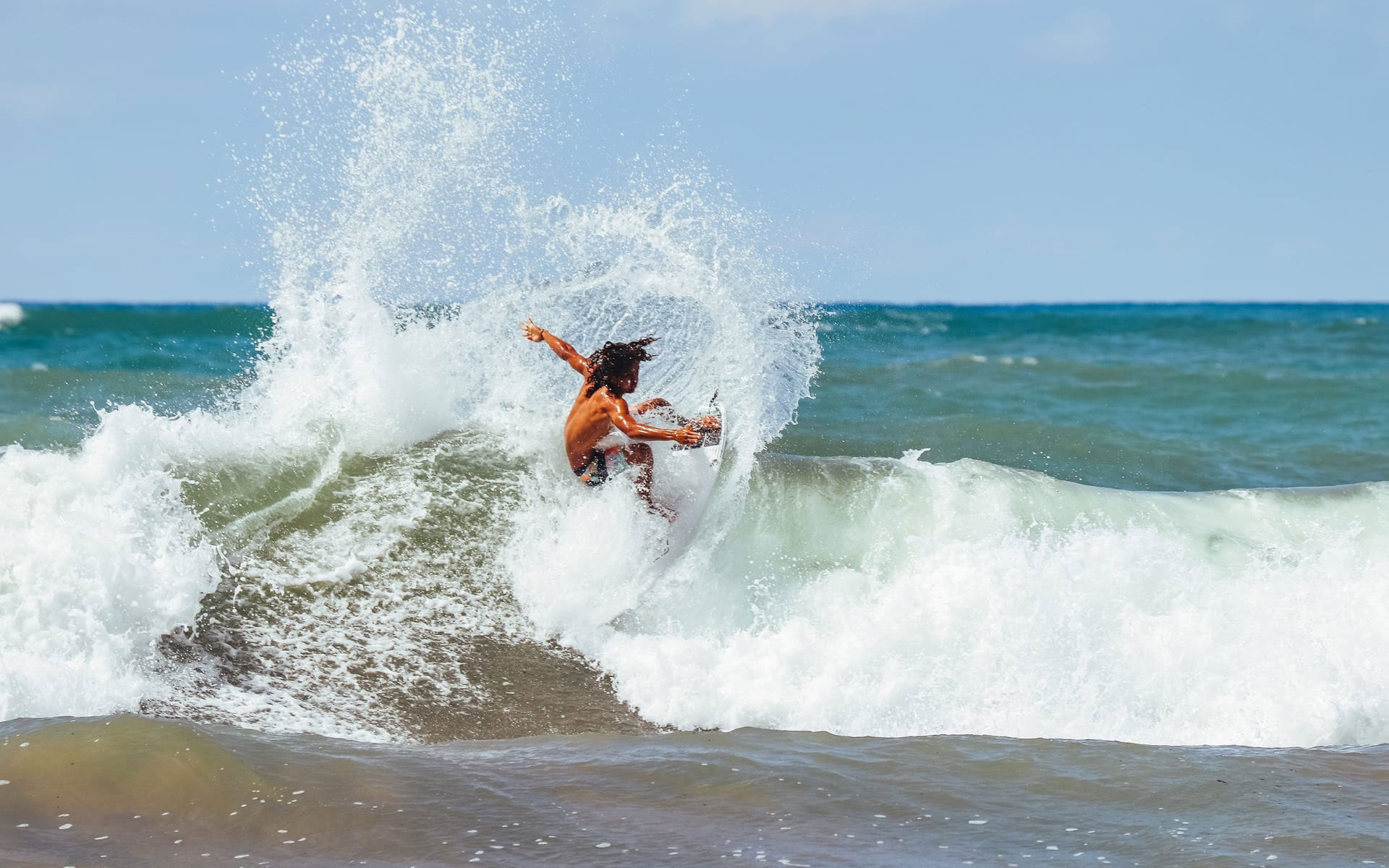
Costa Rica consistently ranks among the world’s top surf destinations, supported by data on wave consistency, water temperature, and coastline diversity. With over 1,200 kilometers of Pacific and Caribbean shoreline, the country offers year-round surf conditions suitable for beginners through advanced riders. Statistics from tourism and sports travel reports show that surf-related travel contributes a significant share of surf camp costa rica adventure tourism sector, with steady annual growth driven by international visitors seeking skill development alongside lifestyle experiences.
Beyond waves, Costa Rica’s appeal lies in its political stability, strong eco-tourism framework, and accessibility. Direct international flights, modern infrastructure in coastal regions, and a welcoming surf culture create ideal conditions for professionally managed surf camps that combine coaching with immersive tropical living.
How Does Professional Coaching Elevate the Surf Camp Experience?
Professional coaching is a defining factor that separates structured surf camps from casual surf holidays. Data from sports education studies highlights that guided instruction can accelerate skill progression by up to 40% compared to unguided practice. In Costa Rica, professional surf camps typically employ certified instructors with backgrounds in competitive surfing, ocean safety, and sports science.
Coaching programs often rely on measurable performance indicators such as paddle efficiency, wave selection accuracy, pop-up speed, and ride completion rates. Video analysis is widely used, allowing surfers to review sessions frame by frame. This analytical approach mirrors methods used in high-performance sports training, ensuring that participants receive objective feedback rather than generic advice.
What Skill Levels Benefit Most from Surf Camps in Costa Rica?
Statistical participation trends show that intermediate surfers form the largest segment of surf camp attendees, followed closely by beginners. Costa Rica’s beach breaks and point breaks provide forgiving yet dynamic conditions, making them ideal for structured learning. Beginners benefit from sandy-bottom beaches and consistent whitewater, while intermediate surfers can focus on maneuver refinement and wave reading.
Advanced surfers are not excluded. Performance-focused camps often design specialized sessions emphasizing critical turns, barrel riding, and competition strategy. The availability of diverse breaks within short travel distances allows camps to match wave conditions precisely to skill levels, a factor strongly correlated with higher satisfaction ratings in surf tourism surveys.
Why Is Tropical Living a Key Part of the Surf Camp Model?
Tropical living is more than a backdrop; it is an integral component of the surf camp value proposition. Research in wellness tourism indicates that warm climates, natural light exposure, and outdoor-centered lifestyles contribute positively to mental health and physical recovery. Costa Rica’s tropical environment supports an active daily routine centered on surfing, mobility training, and relaxation.
Accommodations in surf camps are typically designed to maximize airflow, natural materials, and proximity to nature. Open-plan living areas, outdoor showers, and communal spaces encourage social interaction, which studies show enhances motivation and long-term engagement in sports programs. The blend of coaching and lifestyle creates a holistic experience rather than a purely instructional one.
How Do Surf Camps Integrate Fitness, Nutrition, and Recovery?
Modern surf camps increasingly adopt a data-driven approach to athlete support. Strength and conditioning sessions are often included, focusing on shoulder stability, core strength, and balance—key injury prevention areas identified in surf injury research. Yoga and mobility training further support flexibility and recovery, reducing fatigue-related performance decline.
Nutrition also plays a measurable role. Many camps emphasize balanced meals rich in complex carbohydrates, lean proteins, and hydration-focused options. Studies in endurance and board sports show that proper nutrition can improve session endurance and post-surf recovery times. By integrating these elements, surf camps offer a structured environment aligned with best practices in sports performance.
What Safety and Environmental Standards Define Professional Surf Camps?
Safety metrics are critical in evaluating surf camp quality. Professional camps in Costa Rica often adhere to strict safety protocols, including daily ocean condition assessments, instructor-to-student ratios, and emergency response planning. Lifesaving training and first-aid certification are standard among staff, reducing incident rates and increasing participant confidence.
Environmental responsibility is equally important. Costa Rica’s strong conservation culture influences surf camps to adopt sustainable practices such as waste reduction, water conservation, and support for local environmental initiatives. Data from eco-tourism reports indicates that travelers increasingly prefer experiences aligned with sustainability, making responsible operations both an ethical and strategic advantage.
How Does Cultural Immersion Enhance the Surf Camp Experience?
Cultural integration adds depth to the surf camp model. Costa Rica’s coastal communities offer a relaxed rhythm of life that aligns naturally with surfing culture. Participants often engage in local activities, cuisine, and language exposure, contributing to a richer experience beyond the waves.
Tourism behavior studies show that travelers who engage with local culture report higher overall satisfaction and stronger destination loyalty. Surf camps that facilitate this connection—through local guides, community events, or regional excursions—create memorable experiences that extend beyond skill development.
What Economic and Social Impact Do Surf Camps Have Locally?
From an economic perspective, surf camps contribute to local employment, skills development, and small business growth. Hospitality, transport, food supply, and coaching roles benefit directly from surf tourism. Statistical analyses of coastal economies in Costa Rica highlight surf tourism as a stable income source with lower seasonal volatility compared to other travel segments.
Socially, surf camps often support youth programs and ocean education initiatives, fostering positive relationships between visitors and residents. This community-based approach strengthens long-term sustainability and reinforces Costa Rica’s reputation as a responsible adventure tourism destination.
Why Are Surf Camps in Costa Rica Considered a Long-Term Lifestyle Investment?
For many participants, surf camps represent more than a short-term holiday. Longitudinal travel studies indicate that immersive sports experiences can influence lifestyle changes, including increased physical activity and continued skill pursuit. Costa Rica’s surf camps, with their combination of coaching, wellness, and tropical living, often inspire repeat visits or extended stays.
The structured yet relaxed environment allows individuals to disconnect from routine stress while engaging in measurable personal development. This balance aligns with growing global demand for experiences that combine leisure with self-improvement.
What Trends Are Shaping the Future of Surf Camps in Costa Rica?
Data from adventure travel forecasts point toward continued growth in skill-based and wellness-oriented travel. Surf camps are adapting by offering flexible program lengths, personalized coaching plans, and integrated wellness services. Digital tools such as performance tracking apps and remote coaching follow-ups are also emerging trends.
Costa Rica’s established infrastructure, environmental policies, and surf-friendly coastline position it well to remain a leader in this space. As demand grows for authentic, professionally managed surf experiences, surf camps that blend coaching excellence with tropical living are likely to set industry benchmarks.
Conclusion: Why Does Costa Rica Stand Out for Professional Surf Camps?
Costa Rica’s surf camps succeed by combining reliable wave statistics, professional coaching frameworks, and a lifestyle rooted in tropical simplicity. The integration of performance analytics, wellness practices, safety standards, and cultural immersion creates a comprehensive model that appeals to modern travelers. For those seeking measurable skill progression alongside an enriching way of life, a surf camp in Costa Rica represents a compelling and well-supported choice in the global surf tourism landscape.